August 14, 2026
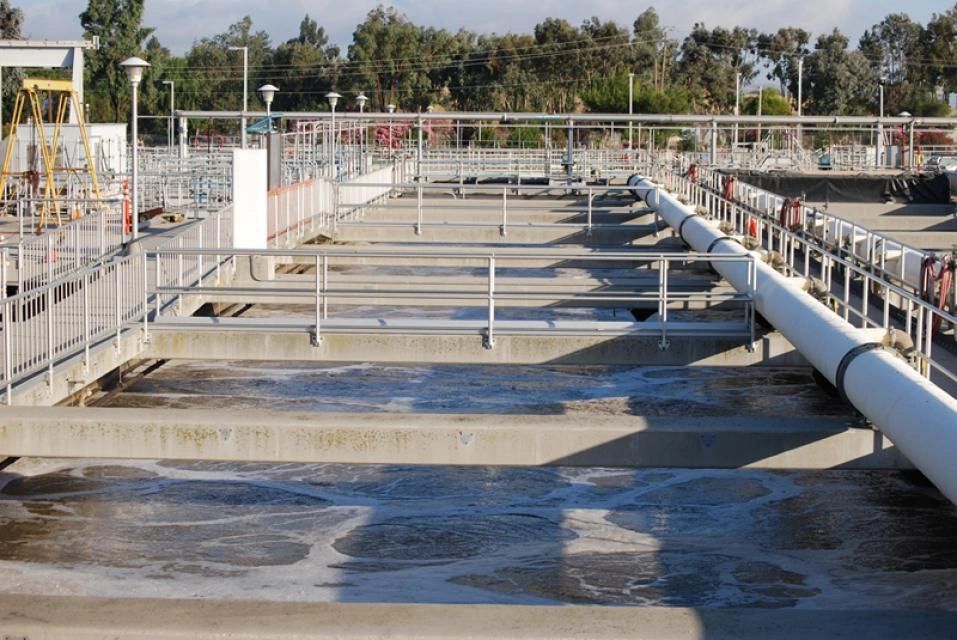
Water constitutes the fundamental foundation of life, community development, and economic stability across modern human societies. Every day, residential households, commercial facilities, industrial plants, and agricultural operations generate vast volumes of used water containing various organic compounds, chemical residues, heavy metals, and harmful microbial pathogens. Discharging untreated liquid waste directly into rivers, lakes, oceans, or underground aquifers causes severe environmental degradation and compromises vital drinking supplies. Managing liquid effluents through comprehensive purification processes removes dangerous contaminants, neutralizes hazardous pathogens, and restores chemical balance before releasing treated fluid back into natural environments. Modern purification infrastructure provides an essential defense mechanism for natural habitats while transforming hazardous waste into reusable resources for municipal and industrial applications. Implementing reliable wastewater treatment safeguards surrounding communities, prevents widespread disease outbreaks, and establishes sustainable resource management systems for future generations.
Protecting Natural Environmental Ecosystems
Unchecked liquid pollution entering natural bodies of water disrupts delicate biological balances and severely damages aquatic biodiversity. High concentrations of nitrogen, phosphorus, and organic pollutants deplete dissolved oxygen levels, causing aquatic life suffocations and massive fish die-offs. Toxic chemical runoff and synthetic compounds harm marine flora, disrupt fish breeding grounds, and cause severe physiological mutations in aquatic organisms. Systematic processing removes excessive nutrients, synthetic chemicals, and suspended solids, ensuring that discharged fluid supports thriving river ecosystems and coastal environments. Preserving water quality prevents devastating ecological collapse, maintains balanced aquatic food webs, and protects biodiversity across marine habitats.
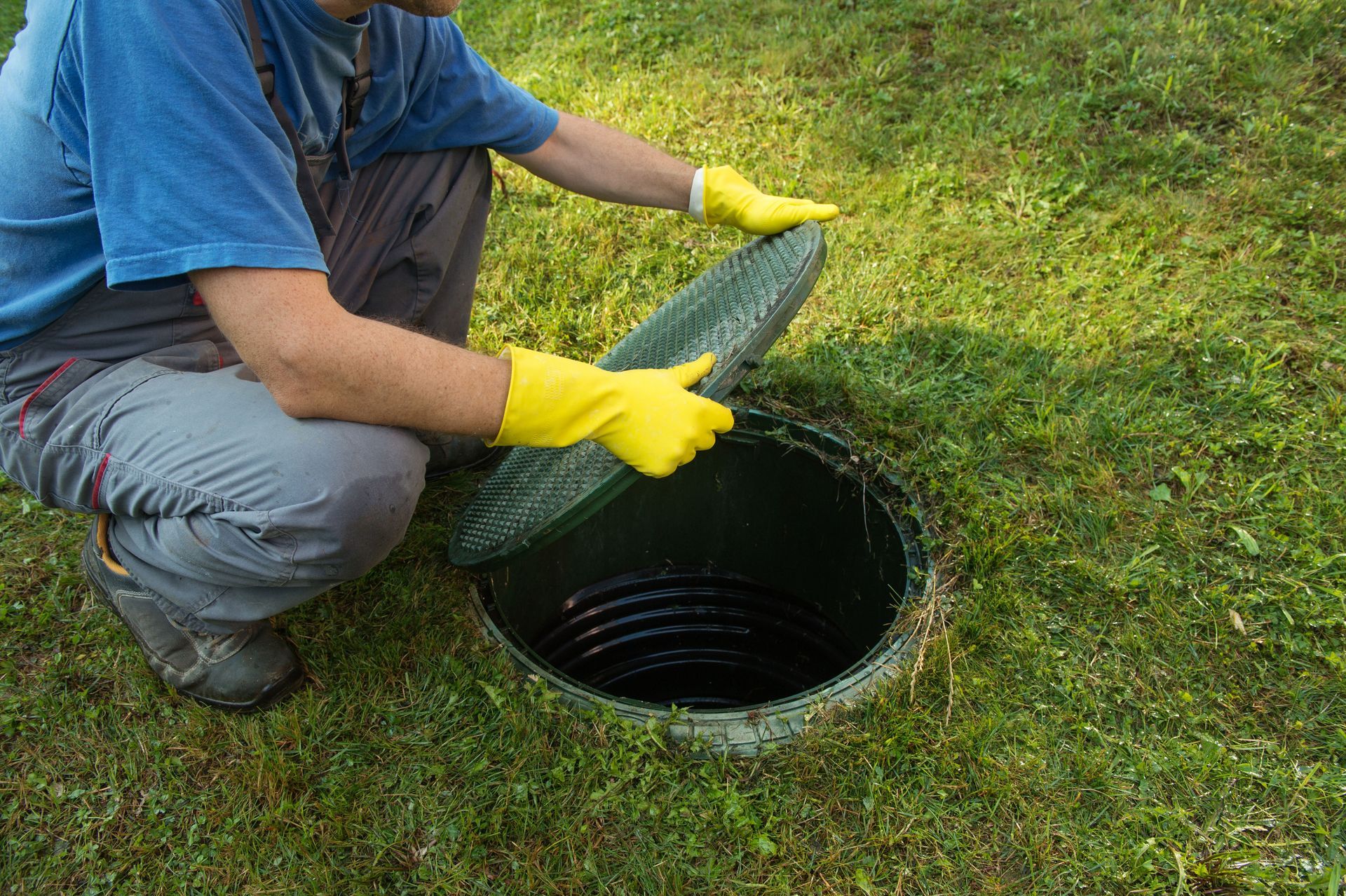
Preventing nutrient pollution stops destructive algal blooms from smothering aquatic plants and blocking vital sunlight penetration. Excessive algal growth produces dangerous toxins that kill aquatic wildlife, contaminate coastal shores, and degrade surrounding wetland reserves. Modern purification infrastructure captures excess nutrients and organic materials, transforming potential ecological hazards into stable biosolids suitable for controlled disposal or beneficial land application. According to WifiTalents, there are over 21 million households in the United States relying on standalone septic systems to manage wastewater. Proper maintenance and centralized purification ensure that decentralized waste does not seep into local watersheds, preserving delicate ecosystems for generations.
Safeguarding Overall Public Health
Untreated residential and commercial liquid waste harbors disease-causing bacteria, destructive viruses, parasitic organisms, and hazardous chemical contaminants. Direct exposure to contaminated water sources causes severe gastrointestinal illnesses, toxic chemical poisoning, skin infections, and widespread cholera or typhoid outbreaks. Rigorous multi-stage purification protocols utilize mechanical filtration, biological digestion, and chemical disinfection to eliminate infectious agents completely. Removing dangerous pathogens before discharging effluent shields municipal water intakes, swimming beaches, and recreation zones from toxic contamination. Maintaining high standards for wastewater treatment protects public health and prevents costly health crises across urban and rural populations.
Eliminating hazardous pharmaceuticals, personal care chemical residues, and industrial toxins from liquid waste streams prevents dangerous biological accumulation in community drinking supplies. Advanced purification technologies filter synthetic chemicals, heavy metals, microplastics, and endocrine-disrupting compounds that traditional processing methods often miss. Removing persistent chemical threats ensures that downstream communities access safe, clean, and non-toxic water for daily consumption and sanitation needs. Protecting public health reduces medical burdens, enhances overall quality of life, and ensures long-term community stability.
Reclaiming Valuable Water Resources
Global freshwater scarcity presents an escalating challenge driven by population growth, climate variability, and expanding industrial activities. Purifying municipal and industrial liquid waste creates a dependable, drought-resilient supply of high-quality reclaimed fluid for non-potable applications. Advanced reclamation processes produce purified fluid suitable for landscape irrigation, industrial cooling towers, toilet flushing, and groundwater recharge projects. Recycling purified effluent decreases overall demand on overexploited rivers, depleted lakes, and stress-burdened underground aquifers. Harnessing reclaimed water streams transforms municipal liquid waste from a disposal burden into a valuable community asset.
Reclaiming purified water allows municipalities to build sustainable water security strategies that withstand severe drought periods and seasonal supply shortages. Reclaimed fluid can undergo indirect potable reuse, replenishing natural groundwater basins and surface reservoirs after passing through natural soil filtration layers. High-purity reclaimed fluid supports heavy industrial manufacturing processes without consuming precious drinking quality supplies. Expanding wastewater treatment capabilities ensures continuous resource availability, supports urban expansion, and minimizes environmental stress on natural freshwater reserves.
Minimizing Industrial Pollution Threats
Industrial manufacturing processes produce highly toxic wastewater streams containing heavy metals, synthetic chemicals, petroleum products, and corrosive acid compounds. Discharging raw industrial waste into municipal sewer networks or natural waterways severely damages infrastructure, corrodes piping, and poisons receiving waters. Specialized industrial purification systems remove hazardous metals, neutralize extreme acid or alkaline levels, and destroy complex organic compounds before discharge. Enforcing strict industrial effluent pre-treatment standards protects public sewer infrastructure and prevents toxic chemical spills from reaching local environments.
Effective industrial processing enables manufacturing facilities to recycle process liquids internally, lowering raw water extraction demands and operational production costs. Removing dangerous heavy metals like lead, mercury, chromium, and cadmium prevents persistent toxic accumulation in surrounding soils and aquatic food chains. Industrial compliance with processing regulations reduces legal liability risks, promotes environmental stewardship, and fosters sustainable manufacturing practices. Advanced industrial wastewater treatment guarantees safe industrial growth while preserving surrounding natural resources.
Supporting Sustainable Agricultural Production
Modern agriculture requires vast quantities of clean water to sustain crop production, livestock operations, and food processing facilities. Drought conditions and competing urban water demands frequently limit agricultural access to reliable natural freshwater sources. Purified agricultural effluent provides nutrient-rich irrigation water that supports crop growth without depleting local groundwater aquifers. Reclaimed irrigation fluid delivers beneficial trace nitrogen and phosphorus directly to agricultural soils, reducing farmer reliance on expensive synthetic chemical fertilizers. Utilizing purified liquid waste for agriculture enhances food security and supports sustainable farming practices.
Rigorous biological purification ensures that agricultural irrigation fluid remains free from dangerous pathogens, heavy metals, and toxic chemical residues that could compromise food safety. Safe agricultural water reuse prevents crop contamination, protects livestock health, and safeguards agricultural workers from disease exposure. Sustainable irrigation practices using reclaimed fluid preserve finite regional groundwater supplies for future farming seasons. Integrating purified liquid waste into regional agricultural management plans balances human food production needs with long-term environmental conservation.
Driving Local Economic Growth
Investing in robust water purification infrastructure generates significant economic benefits through job creation, property value appreciation, and industrial expansion. Constructing, operating, and maintaining modern purification facilities creates stable engineering, technical, operational, and administrative employment opportunities within local communities. Clean natural waterways and pristine beach areas attract tourism, boost recreational boating and fishing industries, and enhance surrounding residential property values. Reliable utility infrastructure attracts commercial enterprises, manufacturing plants, and real estate developments seeking dependable water management solutions.
Resource recovery during liquid waste processing yields valuable energy and nutrient byproducts that generate supplemental municipal revenue streams. Biogas captured during anaerobic digestion processes produces clean renewable electricity and thermal heat to power operational machinery or feed local power grids. Extracted biosolids undergo high-temperature processing to create high-quality organic fertilizer products for commercial agricultural and landscaping markets. Prioritizing comprehensive wastewater treatment maximizes economic efficiency, promotes circular economic practices, and reduces long-term municipal operational expenses.
Purifying municipal, industrial, and agricultural liquid waste provides indispensable benefits that protect environmental ecosystems, safeguard public health, reclaim vital resources, minimize chemical pollution, support agricultural vitality, and drive sustainable economic development. Modern processing facilities convert hazardous liquid waste into clean, reusable water resources that safeguard surrounding communities against disease and environmental degradation. Investing in reliable purification infrastructure ensures long-term water security, enhances community resilience, and preserves natural habitats for future generations. Taking proactive steps to maintain high-quality water infrastructure safeguards vital public health and environmental integrity across every community. For expert utility management, professional facility operations, and reliable wastewater treatment solutions tailored to your community's needs, contact Phoenix Water and Wastewater Operations, LLC today.